


 Sign Up with Google




.jpg)
How Seasonal Home Maintenance Can Improve Heating Performance
Interior Design & Decor5 minutes read
4506 views
4506 views
Seasonal home maintenance
improves heating performance by keeping every part of your HVAC system-from air
filters to the heat exchanger-clean, correctly set, and free from extra strain.
By fixing small issues like dust buildup or minor electrical wear before cold
weather arrives, you let the system run at its best. This leads to more even
heat and much lower energy use. A well-maintained home supports your heater so
it doesn’t have to work as hard to keep rooms warm.
Maintenance is not just about
the furnace or heat pump. It also means looking at your home as a whole system.
When you seal drafts, clear vents, and make sure your thermostat is talking to
the equipment properly, you close the “energy leaks” that force your heater to
run longer. This kind of care makes the house feel cozier and also protects
your investment by slowing the wear that can cause early system failure.
How
Seasonal Home Maintenance Improves Heating Performance
What
Is Seasonal Home Maintenance?
Seasonal home maintenance is
like a regular checkup for the main systems in your house. Just as you wouldn’t
expect a car to run forever without an oil change, you shouldn’t expect a
heater to work well year after year without routine service. This usually
happens twice a year-once in spring before cooling season and once in fall
before heating season. It includes tasks you can do yourself and professional
inspections to keep the main parts of your home in good shape.
A strong seasonal plan covers
more than the HVAC unit. It includes checking the roof and siding for damage,
cleaning gutters so water doesn’t leak into the foundation or basement where
your furnace might sit, and testing safety devices like carbon monoxide
detectors. Breaking these jobs into seasonal lists helps you stay ahead of the weather
and avoid emergency repairs during the first big freeze.
How
Does Home Maintenance Affect Heating Efficiency?
Heating efficiency depends on
how much resistance the system faces while trying to heat your home. When you
skip maintenance, the system may have to push air through clogged filters,
dirty coils, and dry, grinding moving parts. This extra friction and blocked
airflow make the motor run longer and harder to reach the temperature set on
the thermostat. Seasonal maintenance clears these problems so the system can
run more smoothly and use less energy.
Maintenance also makes sure
the heat produced actually reaches your rooms. If your ducts leak or your
windows have worn weather stripping, your heater might be working perfectly,
but the heat escapes before it warms your living space. Taking care of the
building shell (walls, windows, doors, and roof) along with the heating
equipment helps make sure the energy you pay for actually keeps you
comfortable.
“Regular maintenance isn’t
just about protecting your heating system — it’s about ensuring the heat you
generate actually reaches your living space efficiently. Even a
well-functioning heater can waste energy if airflow is restricted or heat
escapes through poorly sealed areas,” says Michael Janssen, Heating &
Chimney Systems Expert at Flue-Pipes.com.
Which
Home Systems Contribute to Heating Performance?
The furnace or heat pump is
the main unit, but other systems in your home play key support roles:
●
Ductwork: This is like the home’s air highway. If it’s full of
dust, crushed, or has loose joints, warm air never reaches some rooms.
●
Thermostat: This is the control center. If it’s not set correctly or
sits in direct sunlight or near a draft, it gives bad readings and makes the
system turn on and off too often.
Other important parts include
insulation and exterior seals. Good insulation in the attic and walls keeps
heat inside. Working gutters and a dry, solid roof protect the furnace and
wiring from water damage. Windows and doors matter too; even a small crack can
raise heating costs and create cold drafts that force the heater to run longer.
Taking care of these “side” systems is just as important as servicing the
furnace itself.
Benefits
of Seasonal Home Maintenance for Heating Performance
Lower
Energy Bills and Improved Efficiency
One of the first things
you’ll notice from seasonal maintenance is lower utility bills. A clean,
well-tuned heater uses less energy than one fighting against dust or worn
parts. When air moves freely and all parts work correctly, the system reaches
the set temperature faster and cycles less often. That cuts energy use and is
better for both your budget and the environment.
A dirty system can be
surprisingly expensive. Dust on coils or a blocked filter can raise energy use
by a noticeable amount. Spending a bit on a fall tune-up can save much more
over the winter months. It’s a smart money move that usually pays for itself through
steady monthly savings.
Longer
System Lifespan
Heating equipment is a major
purchase, and neglect is the main reason systems die early. Regular care
reduces strain on key parts like motors, compressors, and fans. When these
parts don’t have to fight against dirt and friction, they wear out much more
slowly. Seasonal maintenance keeps moving parts oiled and sensors properly set
so the whole unit runs within its intended range.
By putting off the need for a costly replacement, you get more years out of your original equipment. A furnace that gets regular care can last 15 to 20 years, while a neglected unit may start failing in 8 to 10. Consistent upkeep helps you get full value from your HVAC system.
Fewer
Unexpected Breakdown
A furnace breakdown in the
middle of a January cold snap can be very stressful. Most “emergency” failures
start as small issues that grow worse under heavy winter use. During seasonal
maintenance, a technician can find worn belts, loose wires, or weak sensors and
fix them before they cause a full shutdown.
Fixing these problems early
keeps your home warm and helps you avoid pricey emergency calls. HVAC companies
are often overwhelmed when the first real cold hits. By scheduling your visit
in fall, you skip long waits and avoid dealing with a freezing house while you
wait for service.
Better
Indoor Air Quality
Your heating system has a big
impact on the air you breathe. Dust, pollen, mold, and other particles can
collect inside ducts and on internal coils. Without regular cleaning and filter
changes, these particles blow through your home every time the heater runs,
causing breathing issues and making allergies worse.
Seasonal maintenance includes
cleaning or changing filters and checking ducts for buildup. This leads to
cleaner air and a healthier living space. During winter, when people spend more
time indoors with windows closed, keeping good air quality is key for
everyone’s health.
Increased
Home Comfort and Consistent Heating
If some rooms feel much
colder than others, it often points to poor heating performance from blocked
vents or uneven airflow. Seasonal maintenance helps the system move air evenly
and respond correctly to the thermostat. This gives more steady, predictable
comfort in every room, no matter how cold it gets outside.
A tuned system also gives
more even heat. Instead of big swings between hot blasts and chills, a properly
adjusted unit keeps the temperature more stable. This makes your home more
comfortable and cuts down on thermostat fiddling or the need for extra
blankets.
Reduced
Safety Risks
Safety is one of the most
important reasons to keep up with seasonal heating care. Older gas systems in
particular can be dangerous if ignored. A cracked heat exchanger can allow
carbon monoxide-an invisible, odorless, and deadly gas-to leak into your home.
During a safety check, technicians look for cracks, leaks, and proper venting
to keep your family safe.
They also check electrical
parts for damage that could start fires, test gas pressure, and make sure all
built-in safety devices are working correctly. These steps give strong peace of
mind that your heating system is safe to run day and night.
Key
Maintenance Tasks for a High-Performing Heating System
Cleaning
and Replacing HVAC Filters
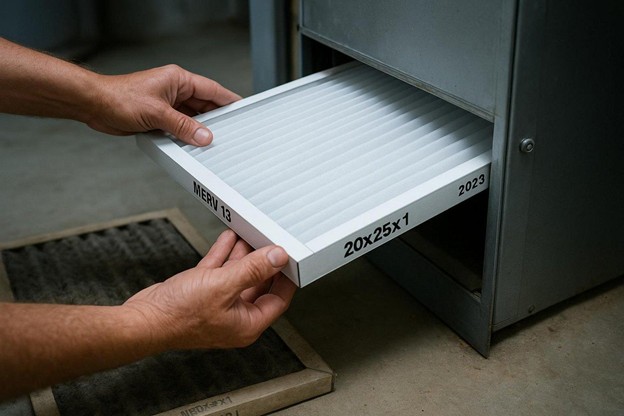
The simplest and most helpful
task you can do is changing your air filters. A clogged filter blocks airflow,
which is the most common cause of strain and poor efficiency. During heavy
heating use, check your filters about every 30 days and replace them at least
every one to three months. If you have pets or people with allergies, consider
higher-rated filters that catch smaller particles.
Most homeowners can replace
filters on their own. This keeps dust out of the furnace, protects internal
parts, and helps the motor last longer. It’s the quickest way to keep your
system running well without calling a technician.
Inspecting
and Sealing Ductwork and Vents
Even a high-efficiency
furnace can’t heat your home properly if the ductwork leaks. Over time, joints
can loosen and let warm air leak into attics or crawlspaces. Checking ducts for
gaps and sealing them with foil tape or mastic can improve heating performance
a lot. Also make sure all vents and registers are open and not blocked by
furniture or rugs.
Every few years, you may want
to have the ducts professionally cleaned. Dust and debris can build up inside,
cutting airflow and reducing air quality. Keeping these air paths clear helps
the heat your system makes actually reach the rooms you live in.
Checking
Thermostats and Controls
The thermostat controls how
your heating system runs. If it doesn’t work right, the heater won’t either. At
the start of fall, test the thermostat to see if it keeps a steady, accurate
temperature. If readings seem off, it may need adjustment. Also check the
batteries so the thermostat doesn’t fail on a cold night.
Upgrading to a programmable
or smart thermostat can give a nice performance boost. These devices let you
set cooler temperatures while you’re asleep or away and warmer settings when
you’re home. By planning heating times, you cut wasted energy and still have a
warm house when you need it.
Clearing
Debris Around Heating Equipment
If you have a heat pump or
any outdoor HVAC unit, keeping the area around it clear is key. Leaves,
branches, and snow can pile up and block the airflow needed for heat exchange.
Keeping about two feet of open space around the unit helps prevent overheating
and reduces strain on the compressor.
Inside, keep the space around
your furnace or air handler clean as well. Do not store flammable items, boxes,
or cleaners close to the unit. Open space around the equipment helps
ventilation and makes it easier for you or a technician to check the system
during the season.
Scheduling
Professional HVAC Tune-Ups
Some tasks are better handled
by a trained technician. A professional tune-up usually includes:
●
Oiling
moving parts to cut friction
●
Checking
refrigerant levels (for heat pumps)
●
Inspecting
electrical connections for wear or damage
●
Cleaning
the burner assembly
●
Testing
airflow and system efficiency
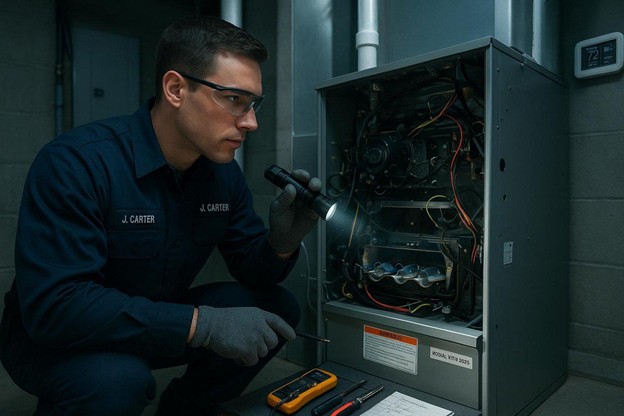
Professionals have tools to
spot issues you can’t see, like small cracks in a heat exchanger or weak gas
leaks. Working with a pro once or twice a year helps your system get a full,
careful inspection and fine-tuning that DIY work can’t match.
When
to Schedule Seasonal Heating Maintenance
Best
Times for Preventive Maintenance
The best time to book a
heating tune-up is early fall, usually in September or October. The idea is to
have your system checked and serviced before you truly need it. That way, when
you switch from “cool” to “heat” for the first time, the system is ready to run
smoothly.
Booking early also gives you
extra time. If the technician finds a part that needs replacing, you can fix it
before real cold arrives. Waiting a few days for a part in October is much
easier than waiting during a December snowstorm.
Spring
vs. Fall: Timing Considerations
Fall is the main focus for
heating service, while spring is the best time to prepare your air conditioner.
Many homeowners choose a twice-a-year schedule so both heating and cooling are
ready for the hottest and coldest months. This year-round approach lowers the
chance of a breakdown during extreme weather.
Another plus to spring and
fall appointments is that HVAC companies tend to be less busy. During peak
summer and winter, many technicians are tied up with emergencies. By booking in
the milder seasons, you usually get more flexible appointment times and a tech
who is not rushing to the next urgent call.
DIY
Maintenance vs. Professional Heating Service
Which
Heating Maintenance Tasks Can Homeowners Do?
Homeowners can do quite a bit
to support heating performance, such as:
●
Replacing
air filters
●
Dusting
vents and registers
●
Clearing
debris from around outdoor units
●
Looking
for signs of rust or soot on the furnace
●
Testing
carbon monoxide detectors
Sealing air leaks is another
useful DIY step. Applying caulk or weather stripping around windows and doors
holds heat in and helps your heater. These simple actions don’t take long but
can make a big difference in comfort and energy use.
When
Should You Call a Professional?
Work involving gas lines,
complex wiring, or refrigerant should be done by licensed technicians. If you
hear banging, grinding, or squealing, or smell smoke or sulfur, turn off the
system and call a pro right away. These can be signs of mechanical failure or
safety risks that need expert care.
Cleaning the burner area
inside the furnace and adjusting sensitive sensors should also be left to a
professional. A trained technician knows how to work on these parts safely.
Trying to fix them yourself can cause more damage or void the manufacturer’s
warranty. When you’re unsure, calling an expert is usually safer and cheaper
over time.
Tips
for Maintaining Peak Heating Performance Year-Round
Simple
Actions to Boost Heating in Every Season
Good heating performance is
not only about the furnace; it also depends on how you manage your home. In
winter, keep blinds and curtains open during the day to let in sunlight and
close them at night to hold in warmth. Set ceiling fans to spin clockwise at
low speed; this gently pushes warm air that gathers near the ceiling back down.
During warmer months, don’t
ignore your heater entirely. Lightly dusting the unit and keeping clutter away
from it will make fall startup easier. Small habits, like keeping interior
doors mostly open, help air flow better and keep temperatures more even throughout
the home.
How
Insulation and Air Sealing Support Your Heating System
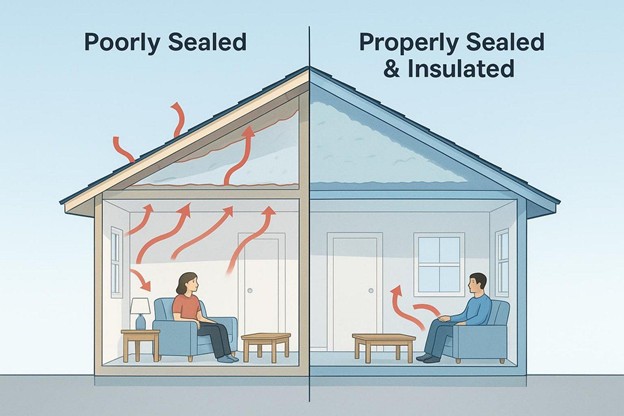
Insulation works like a warm
blanket for your house. If your attic doesn’t have enough, heat will rise and
escape through the roof, forcing your heater to run much longer. Adding insulation
to attics and crawlspaces is one of the most effective ways to support heating
performance and cut energy bills long-term.
Air sealing is just as
important. Tiny gaps around pipes, electrical outlets, and recessed lights can
act like small chimneys, pulling warm air out of rooms. Filling these leaks
with foam or caulk makes your building shell tighter. When your home holds heat
well, the heater can take more breaks, which helps it last longer and keeps
energy costs down.
|
Task |
How Often |
Main Benefit |
|
Change air filters |
Every 1-3 months |
Better airflow and lower
energy use |
|
Inspect ducts and vents |
Yearly visual check |
More even heating and
cleaner air |
|
Professional tune-up |
Once or twice a year |
Fewer breakdowns and longer
system life |
|
Check insulation and air
leaks |
Every few years or after
major work |
Better comfort and lower
bills |
Seasonal maintenance is a key
part of owning a home, but you can also think about the long-term value of a
service plan. Many HVAC companies offer yearly maintenance agreements that
include priority scheduling and discounts on parts, which can be very helpful
during busy seasons. As homes get smarter, connecting your heating system to a
home automation hub can also send alerts when performance starts to drop.
Fixing small problems right away helps keep your home warm, efficient, and
comfortable for many winters ahead.
Request for quotes and we'll match you with a selection of Interior Designers!
Previous
Singapore’s reputation as one of Asia’s most vibrant business hubs continues to attract...